
Average New-Vehicle Prices Top $51,000 to Reach New Record High
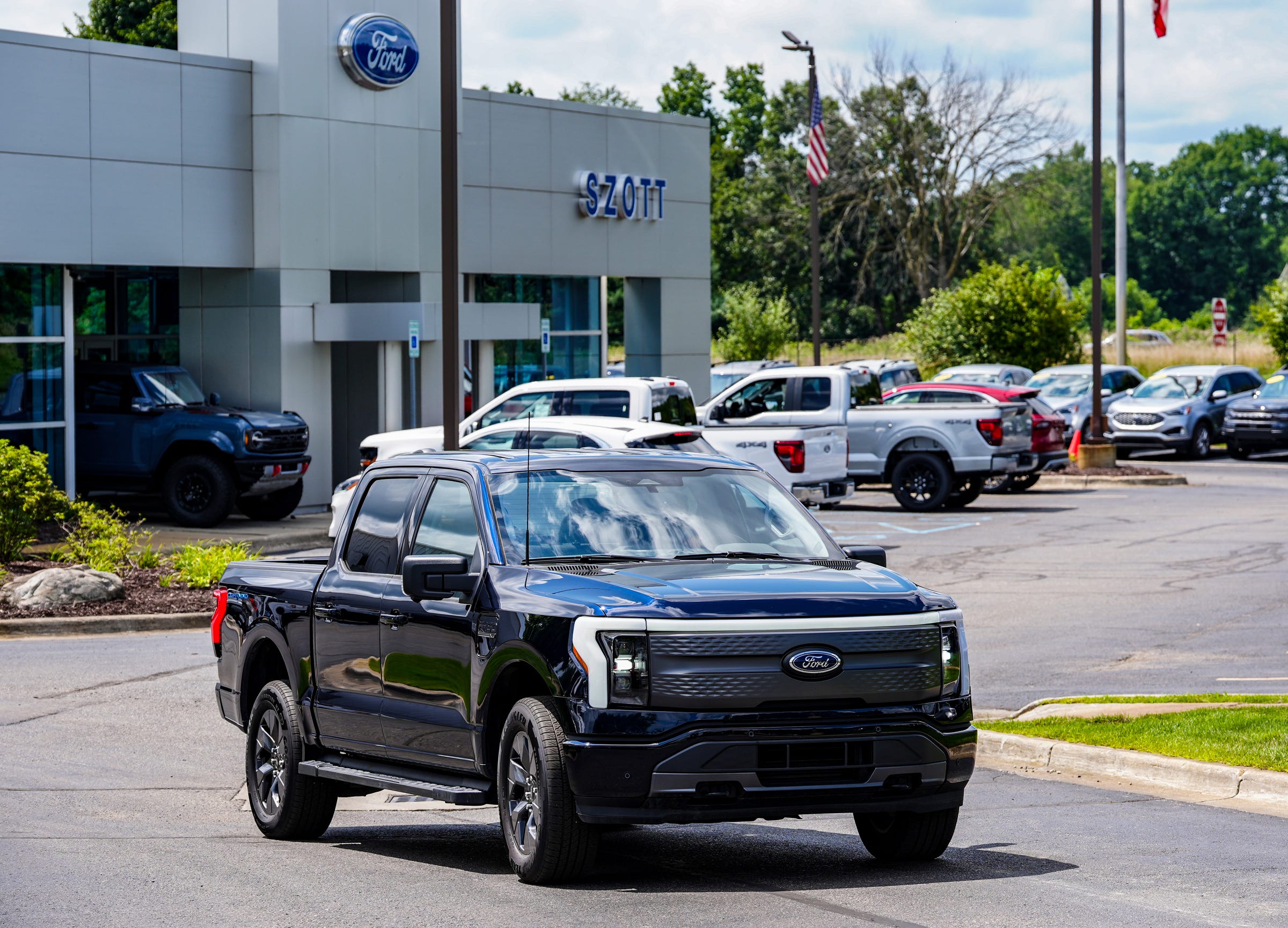
Buying a brand-new car now costs more money than ever before. A new report from Cox Automotive Inc. shows that average new-vehicle prices topped $51,000 in October. This huge number sets a brand-new record high for the car market.
Why Are Average New-Vehicle Prices Rising So Fast?
Car prices have been climbing steadily over the last few years, making it harder for regular buyers to find cheap transport. Automakers keep adding advanced tech, bigger screens, and complex safety features to every trim level. This high technology relies on advanced materials science to build modern parts, which drives up production costs for factories. When factories pay more to build vehicles, buyers see higher numbers on the window sticker.
Many shoppers also choose bigger SUVs and heavy trucks instead of small sedans. These large rides carry high price tags straight from the factory floor. As fewer budget compacts get built, the baseline cost for any new vehicle continues to go up across every brand.
How Average New-Vehicle Prices Top $51,000 Impacts You
Paying more than $51,000 for a typical vehicle creates real pressure for everyday family budgets. Most families cannot afford to pay that much cash at once, so they take out longer auto loans. A higher total price tag means monthly payments stay high for six or seven years. Over time, interest payments add thousands of extra dollars to the final cost of the vehicle.
Higher sticker prices do not just hurt new car buyers. They also push up the cost of used vehicles because more people look for pre-owned deals instead. Insurance companies also raise their monthly rates because replacing a damaged modern vehicle costs much more money today.
How Can You Save Money on a New Car Purchase?
Even with record price tags, you can still find ways to protect your wallet at the dealership. Shopping around and comparing different brands gives you more power during negotiations. Here are a few simple ways to lower your costs:
- Look for factory incentives: Check for cash-back offers or special interest rates before you visit a lot.
- Choose standard trims: Avoid expensive option packages that add thousands to the final total.
- Consider smart design: Look for cars focused on simple lightweighting builds that cost less to run every day.
Being flexible on color or model year can also help you lock in a lower payment. Dealerships often clear out last year’s inventory to make room for fresh shipments.
What Will Happen to New Car Prices Next?
Shoppers hope that prices will drop soon, but industry experts expect costs to stay high for a while. Supply chain shifts and new manufacturing standards keep build costs elevated for major brands. Dealerships still have limited stock on affordable trim levels, which keeps overall averages near record territory.
Keep a close eye on end-of-year sales events to spot rare discounts on popular models. Watching price trends helps you pick the right time to trade in your old ride. Planning your budget early ensures you do not get surprised by high price tags when you shop.


